


How to Choose the Right Acrylic Teeth for Your Denture
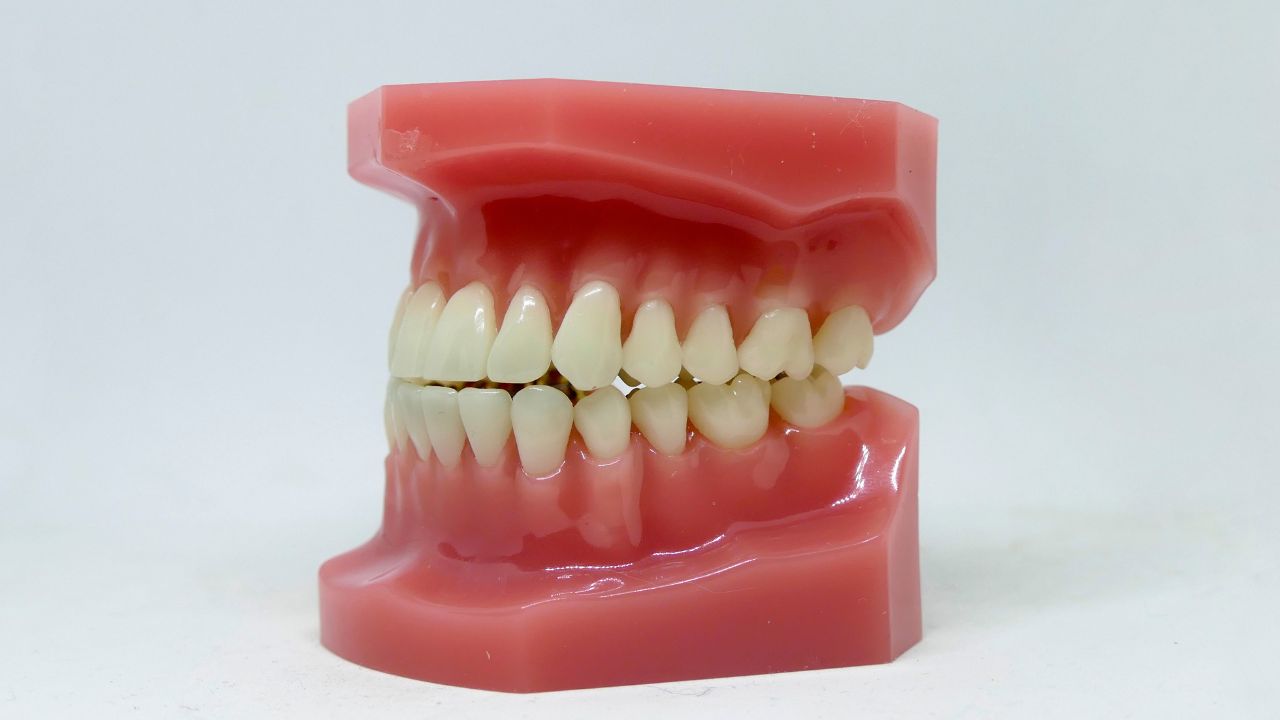
When it comes to removable prosthetics, acrylic teeth can have a major impact on the final result. While many people focus on the denture base, fit, or esthetics, the truth is that choosing the right acrylic teeth plays a big role in how a denture looks, functions, and holds up over time. For dental professionals and lab teams, selecting the right option is not just about shade and shape—it’s about balancing durability, esthetics, bite performance, and patient expectations. One of the first things to consider is the patient’s functional needs. Not every denture patient is the same. Some need a highly esthetic solution for social confidence, while others need something that can better withstand heavier bite forces or years of wear. Acrylic teeth are popular because they bond well to the denture base, are easier to adjust, and are often more forgiving in removable workflows. But within acrylic teeth, there can be significant differences in layering, hardness, wear resistance, and overall quality depending on the manufacturer and product line. Esthetics are often a top priority, especially for patients who are concerned about how natural their smile will look. Higher-end acrylic teeth often feature multi-layered construction, translucency, and more lifelike anatomy that better mimics natural dentition. These options can make a significant difference in the final appearance of a complete or partial denture. If a patient is highly appearance-conscious, choosing a premium tooth line may be worth the investment. At the same time, durability and wear resistance should not be overlooked. Patients with stronger occlusion, parafunctional habits, or long-term wear expectations may benefit from acrylic teeth designed for improved wear characteristics. Lower-cost teeth may work in some cases, but if they wear quickly, lose anatomy, or compromise occlusion over time, the patient may end up dissatisfied. That can lead to adjustments, remakes, or a lower perception of the overall prosthetic quality. Another key factor is case type and workflow compatibility. The right acrylic teeth should fit smoothly into the lab’s setup and the clinician’s treatment plan. Some tooth lines are easier to set, grind, contour, and polish, which can save valuable production time in the lab. Others may be preferred for specific esthetic setups or easier occlusal adjustments chairside. The best choice is often the one that not only looks good in the final denture, but also integrates efficiently into the full production workflow. It’s also important to consider budget versus long-term value. A less expensive tooth may reduce upfront cost, but if it creates more labor, more adjustments, or lower patient satisfaction, the savings disappear quickly. In many cases, choosing the right acrylic tooth is less about buying the cheapest option and more about selecting the one that gives the best combination of performance, esthetics, and predictability. In the end, choosing the right acrylic teeth for a denture is about matching the product to the patient and the workflow. When the right tooth is selected, the result is a denture that looks better, functions better, and delivers a better overall experience for everyone involved.
How the Right Dental Lab Supplier Can Make or Break Your Business
For many dental lab owners, growth is often framed around sales, staffing, equipment, and case volume. But one of the most overlooked factors in whether a lab runs smoothly—or struggles constantly—is the quality of its supplier relationship. The truth is simple: the right dental lab supplier can make your business more efficient, more profitable, and more scalable. The wrong one can quietly damage your margins, your turnaround times, and your reputation. A supplier is not just a place to buy zirconia discs, PMMA, burs, resin, or milling consumables. They are part of your production ecosystem. Every delayed shipment, inconsistent material batch, incorrect recommendation, or unavailable product can create ripple effects throughout your lab. When a critical material doesn’t arrive on time or doesn’t perform as expected, it doesn’t just inconvenience your team—it can delay cases, frustrate clients, increase remakes, and force your technicians to waste time troubleshooting instead of producing. That’s why the best suppliers don’t simply “sell products.” They help labs maintain workflow stability. A strong supplier understands that dental labs are deadline-driven businesses where reliability matters just as much as price. They keep the right products in stock, communicate proactively about lead times, help labs find alternatives when supply issues arise, and recommend materials that actually fit the lab’s equipment, production style, and client mix. That level of support can dramatically reduce friction in daily operations. The right supplier can also improve profitability in ways lab owners don’t always notice at first. Of course, competitive pricing matters—but price alone is rarely the full picture. A cheaper material that mills poorly, fractures more often, creates finishing headaches, or leads to more remakes can cost far more in labor and lost time than a slightly higher-priced product that performs consistently. Smart lab owners know the goal is not simply to buy cheaper. The goal is to buy more predictably. As labs become more digital, supplier relationships become even more important. Whether you’re running mills, 3D printers, scanners, or hybrid workflows, you need suppliers who understand the realities of digital production. That means they can advise on material compatibility, machine performance, workflow optimization, and scaling decisions—not just take orders. The best suppliers act more like strategic partners, helping labs make better purchasing decisions that support growth instead of creating costly experimentation. There’s also a business development angle. A lab that has the right supplier support is often better positioned to say “yes” to more opportunities. They can expand into new indications, improve turnaround times, test new workflows with less risk, and adapt faster when client needs change. In a competitive market, that flexibility can become a serious advantage. At the end of the day, your supplier affects more than your shelves—they affect your output, your consistency, your costs, and your ability to deliver for clients. The wrong supplier creates constant friction behind the scenes. The right one helps your lab run like a stronger, more predictable business. For dental lab owners who want to protect margins and build a lab that can grow, choosing the right supplier is not a purchasing decision. It’s a strategic one.
How 3D Resin Is Taking the Dental Lab Industry Into a New Era
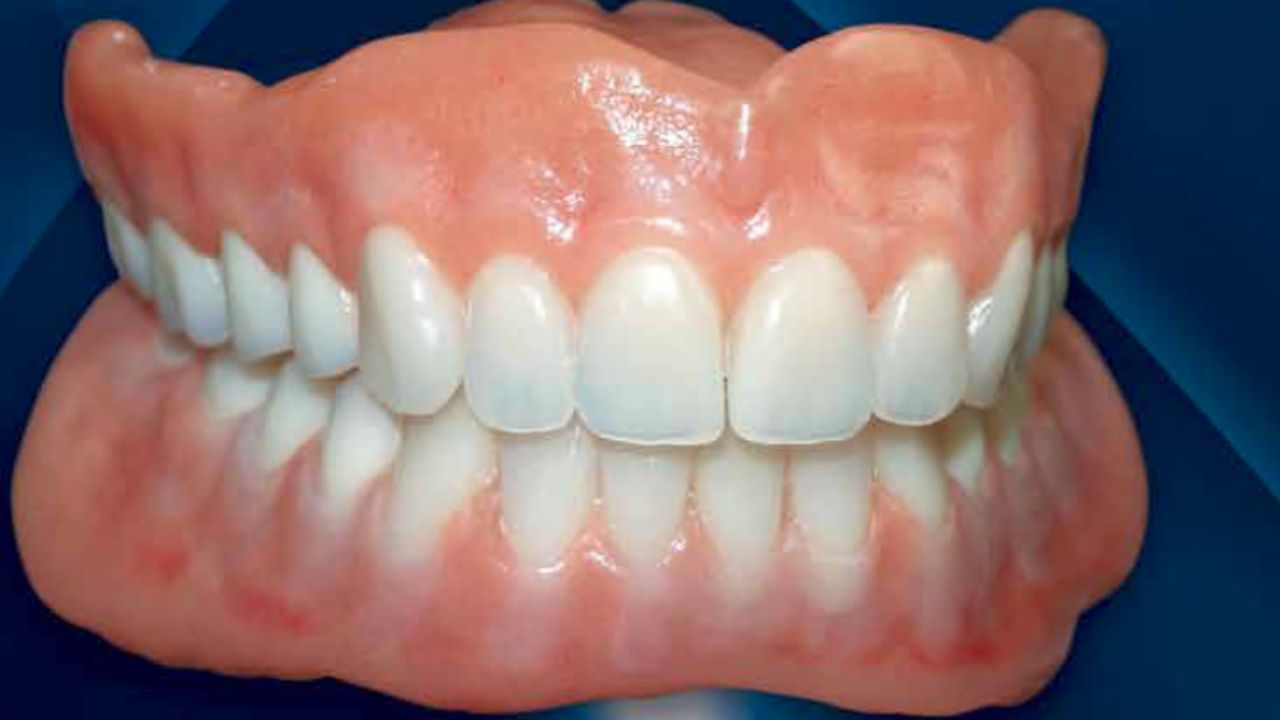
The dental lab industry has always been shaped by technology, but few innovations have changed day-to-day production workflows as quickly as 3D resin printing. What was once seen as a niche tool for models or temporary applications is now becoming a serious production asset for modern dental labs. For lab owners, that shift matters—not just because it looks innovative, but because it can directly impact speed, consistency, labor efficiency, and profitability. Today’s advanced dental resins are opening the door to a broader range of applications than ever before. Labs are no longer limited to printing simple study models. Depending on the printer, resin, and validation workflow, labs can now produce surgical guides, custom trays, splints, denture bases, try-ins, temporary restorations, and model work with greater precision and repeatability. That means more of the workflow can stay digital, reducing the number of manual touchpoints that traditionally slow production down. For lab owners, one of the biggest advantages is workflow compression. Traditional analog processes often involve multiple handoffs, more room for remakes, and greater dependence on highly skilled manual labor. With 3D resin workflows, a case can move from scan to design to print with fewer bottlenecks. Once the system is dialed in, technicians can batch-print multiple cases overnight or during off-hours, turning printer time into productive time without requiring constant supervision. In an industry where labor shortages and rising production costs continue to pressure margins, that kind of efficiency matters. Another major benefit is standardization. Resin-based workflows help create more predictable outcomes because the process is built around repeatable digital files, validated print parameters, and consistent post-processing protocols. For a lab owner, that means less variability between technicians, more scalable training for new team members, and stronger quality control across product categories. It also becomes easier to build documented systems instead of relying on “tribal knowledge” held by only a few experienced technicians. 3D resin also gives labs more flexibility in how they position themselves in the market. Labs that embrace resin printing can often offer faster turnaround times, expand into new service categories, and support more digitally driven dental practices. That’s especially important as more doctors adopt intraoral scanners and expect labs to operate with the same level of speed and digital responsiveness. In many cases, the lab that can move faster and communicate digitally becomes the lab that keeps the account. Of course, success with 3D resin is not just about buying a printer. The real advantage comes from building the right workflow around the technology—including validated materials, reliable curing and washing protocols, staff training, and clear case selection. Labs that treat 3D resin as a strategic workflow tool—not just a shiny piece of equipment—are the ones most likely to see real returns. The future of dental lab production is not purely analog or purely digital. It’s hybrid. But 3D resin is becoming one of the strongest bridges between those worlds. For lab owners looking to improve efficiency, reduce friction, and stay competitive in a faster-moving market, resin printing is no longer just an experiment—it’s becoming a serious operational advantage.